DISPLAY TECHNOLOGY

Exploring the evolution of visual excellence...

0
Hz Refresh Rate
0
K Resolution
0
ms Response Time
0
% sRGB Coverage

Monitor Types

CRT Monitor

CRT Monitors

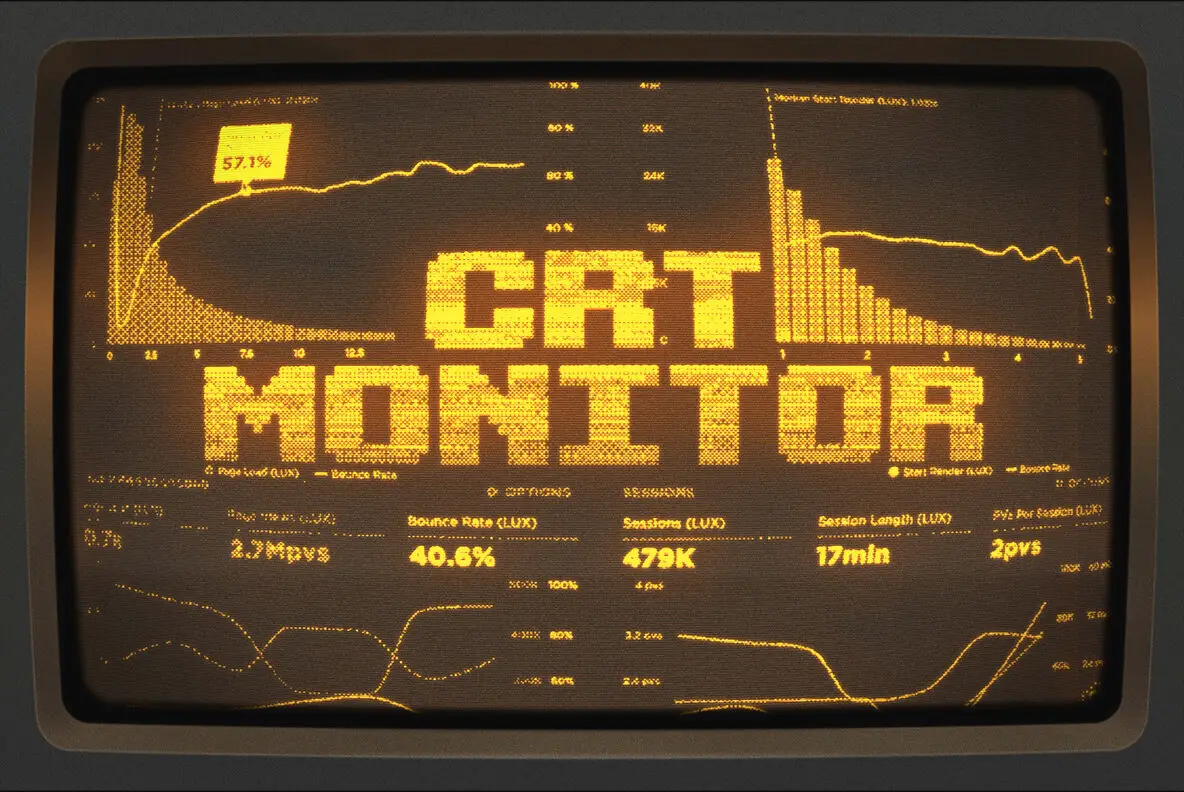
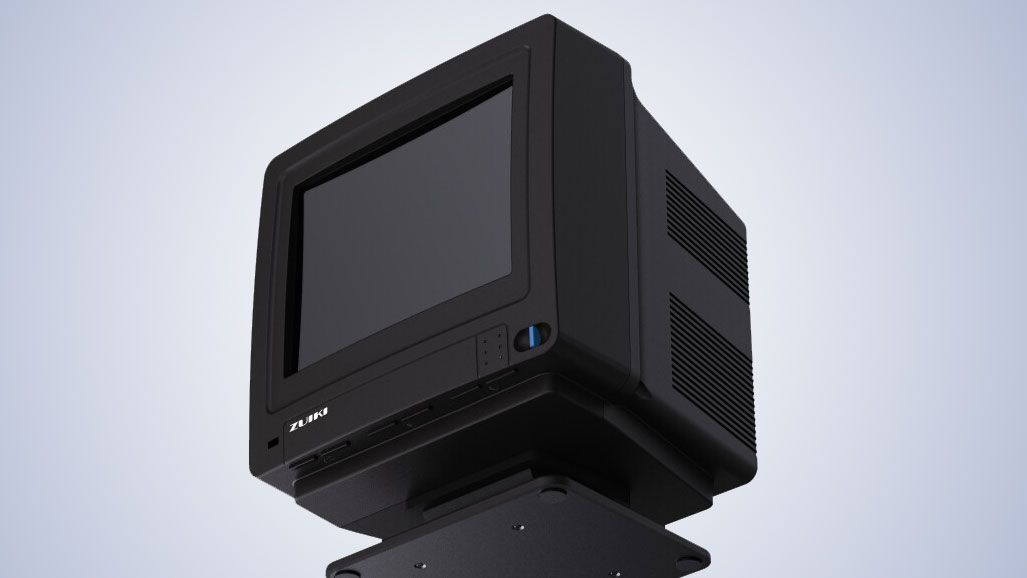
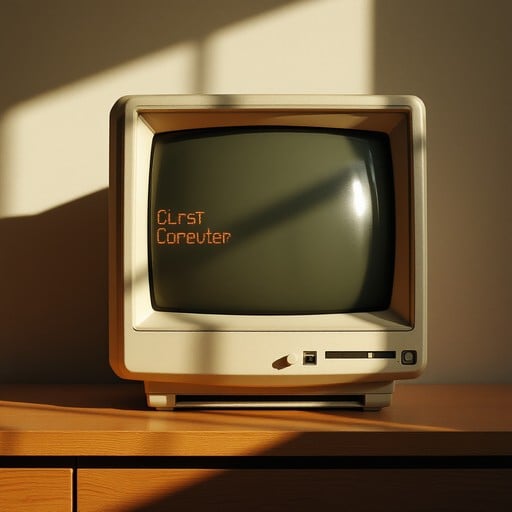
Cathode Ray Tube technology was the foundation of display technology for decades. These bulky monitors used electron beams to illuminate phosphors on the screen, creating images with deep blacks and zero input lag.
Deep Blacks Zero Lag Retro Gaming Heavy
LCD Technology

LCD Displays

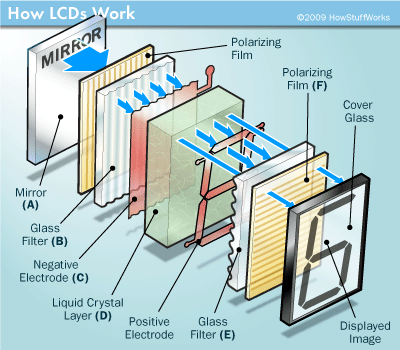
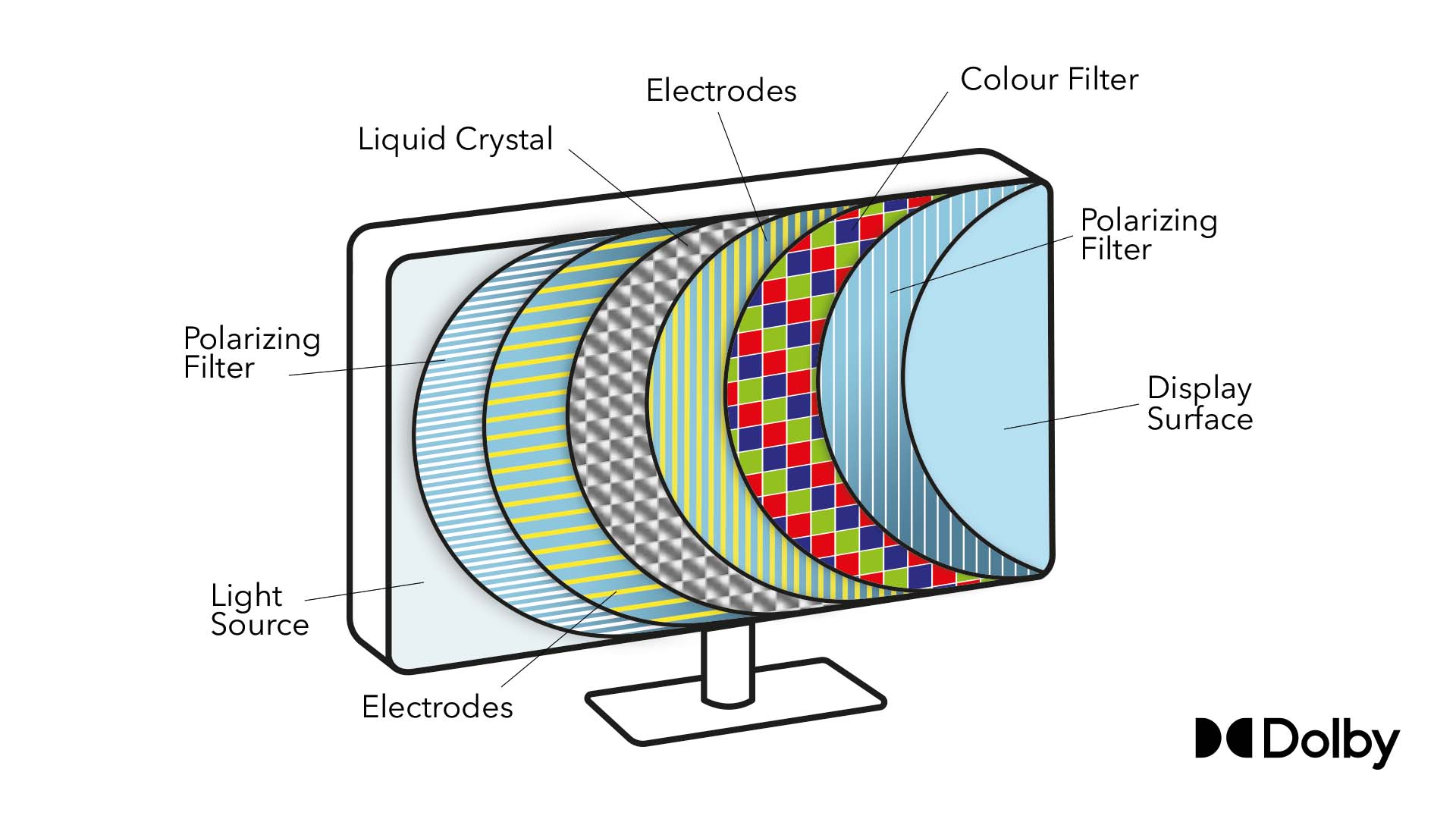
Liquid Crystal Displays revolutionized the industry with their slim profiles and energy efficiency. Using liquid crystals that twist to control light passage through polarizing filters, LCDs became the standard for modern computing.
Slim Design Energy Efficient Affordable Backlight Bleed
Faux CRT

LED Backlit LCD

LED-backlit LCD monitors improved upon traditional CCFL backlighting by offering better brightness, contrast ratios, and thinner designs. Full-array local dimming provides superior black levels compared to edge-lit variants.
High Brightness Local Dimming Thin Profile HDR Support
Ultrawide Monitor

Ultrawide Monitors

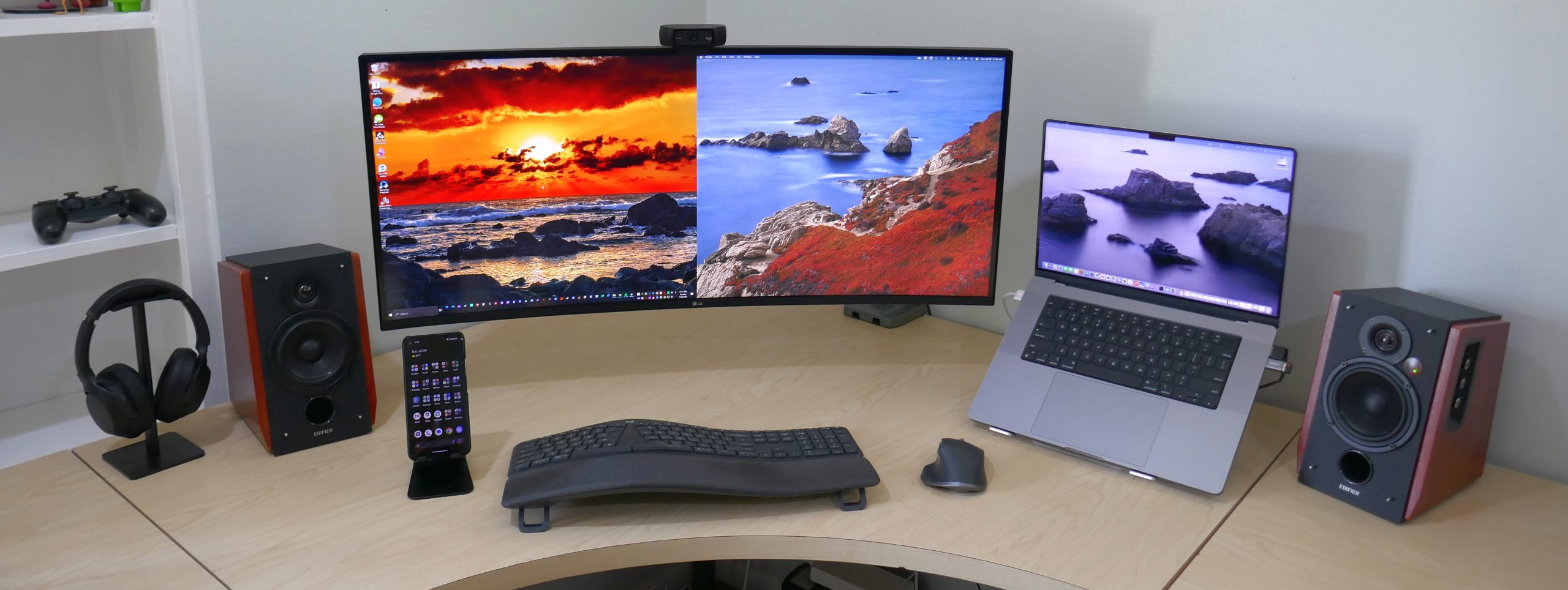
Ultrawide displays offer an immersive 21:9 or 32:9 aspect ratio, perfect for productivity and gaming. These curved panels wrap around your field of view, eliminating the need for multiple monitor setups.
21:9 Aspect Curved Productivity Immersive
Display Technology

OLED Monitors

Organic Light Emitting Diode displays offer perfect black levels, infinite contrast ratios, and lightning-fast response times. Each pixel emits its own light, eliminating the need for backlighting entirely.
Perfect Blacks Infinite Contrast Fast Response Burn-in Risk
Vintage Monitor

Mini-LED & Micro-LED

The next generation of display technology uses thousands of tiny LEDs for precise local dimming. Mini-LED offers near-OLED contrast with higher brightness, while Micro-LED promises self-emissive pixels without burn-in.

Local Dimming High Nits No Burn-in Expensive

Evolution Timeline

1897

CRT Invention

Karl Ferdinand Braun invents the cathode ray tube, laying the foundation for electronic displays that would dominate for over a century.

1968

First LCD

George H. Heilmeier demonstrates the first working liquid crystal display at RCA Laboratories, marking the beginning of flat-panel technology.

1981

IBM PC Monitor

The IBM 5151 monochrome monitor becomes the standard for personal computers, featuring a green phosphor screen with 80x25 text resolution.

1997

Color CRT Peak

CRT monitors reach their zenith with Sony Trinitron technology, offering flat-screen CRTs with exceptional color accuracy and resolution up to 2048x1536.

2007

LCD Dominance

LCD monitors overtake CRTs in global sales, driven by falling prices, slimmer designs, and improving image quality with TN and IPS panels.

2012

4K Resolution

The first consumer 4K monitors (3840x2160) hit the market, offering four times the pixels of 1080p displays for unprecedented detail.

2017

144Hz Gaming

High refresh rate gaming monitors become mainstream, with 144Hz and 240Hz panels offering buttery-smooth gameplay for competitive gamers.

2024

QD-OLED Era

Quantum Dot OLED technology combines the perfect blacks of OLED with higher brightness and color volume, representing the current pinnacle of display technology.

Technical Specifications

Specification Entry Level Mid Range High End Professional
Resolution 1920 x 1080 (FHD) 2560 x 1440 (QHD) 3840 x 2160 (4K) 7680 x 4320 (8K)
Refresh Rate 60 Hz 144 Hz 240 Hz 360 Hz+
Response Time 5 ms 1 ms 0.5 ms 0.03 ms (OLED)
Panel Type TN VA / IPS IPS / Fast IPS OLED / Mini-LED
Brightness 250 nits 350 nits 400 nits (HDR600) 1000+ nits (HDR1000)
Color Gamut 72% NTSC 99% sRGB 95% DCI-P3 99% Adobe RGB
Contrast Ratio 1000:1 3000:1 (VA) 1000000:1 (OLED) Infinite (OLED)
Connectivity HDMI 1.4, VGA HDMI 2.0, DP 1.2 HDMI 2.1, DP 1.4 Thunderbolt 4, DP 2.0
Price Range $100 - $200 $300 - $600 $700 - $1500 $2000+

Monitor Comparison

Buying Guide

For Gamers

  • Prioritize refresh rate (144Hz minimum)
  • Look for 1ms response time or lower
  • Consider G-Sync or FreeSync support
  • 24-27 inches for competitive play
  • Curved screens for immersion
  • HDR support for visual impact

For Professionals

  • Color accuracy is paramount (ΔE < 2)
  • 4K resolution for detail work
  • IPS or OLED for wide viewing angles
  • 100% sRGB or Adobe RGB coverage
  • Hardware calibration support
  • USB-C connectivity for laptops

For Productivity

  • Ultrawide 34" or dual 27" setup
  • USB hub for peripheral connectivity
  • Ergonomic stand with height adjust
  • Blue light filter for long sessions
  • KVM switch for multiple computers
  • Picture-by-Picture mode

For Content Creators

  • 10-bit color depth minimum
  • Wide color gamut (DCI-P3 95%+)
  • High brightness for HDR editing
  • Factory calibration report included
  • Uniformity compensation
  • 16:10 aspect ratio option

For Home Office

  • 27" QHD sweet spot
  • Built-in speakers and webcam
  • Low blue light certification
  • Flicker-free backlight
  • Auto-brightness sensor
  • VESA mount compatibility

For Console Gaming

  • HDMI 2.1 for 4K 120Hz
  • VRR (Variable Refresh Rate)
  • ALLM (Auto Low Latency Mode)
  • 32-43 inches for couch gaming
  • HDR10 support
  • Low input lag (<10ms)

Monitor Calibration

Calibration Tools

Calibration Tools

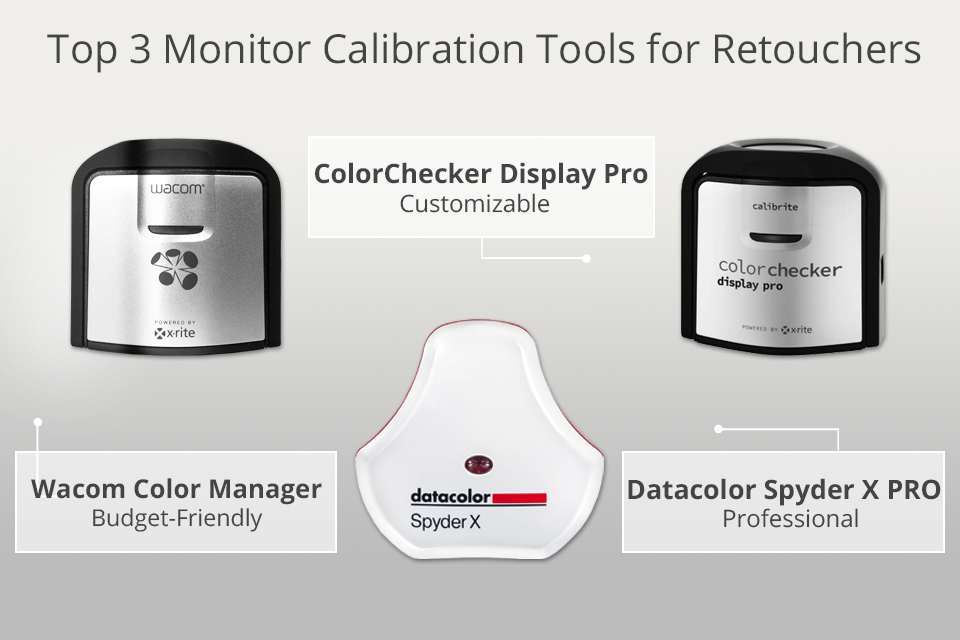
Professional calibration tools like the Datacolor Spyder and X-Rite ColorChecker ensure your monitor displays accurate colors. These devices measure your screen's output and create an ICC profile for color correction.

Spyder X ColorChecker i1Display
Spyder5

Why Calibrate?

Uncalibrated monitors can show colors that are 20-30% off from reality. For photographers, designers, and video editors, calibration is essential to ensure what you see matches the final output on print or other devices.

Color Accuracy Print Matching Consistency

Frequently Asked Questions

What is the difference between IPS, VA, and TN panels?

+

TN (Twisted Nematic) panels offer the fastest response times but poor viewing angles and color reproduction. VA (Vertical Alignment) panels provide excellent contrast ratios and deep blacks but can have slower response times. IPS (In-Plane Switching) panels deliver the best color accuracy and viewing angles with moderate response times, making them ideal for professional work and general use.

Is 144Hz really necessary for gaming?

+

While 60Hz is sufficient for casual gaming, 144Hz provides a significantly smoother experience, especially in fast-paced competitive games like CS:GO, Valorant, and Apex Legends. The higher refresh rate reduces motion blur and makes tracking moving targets easier. For single-player RPGs and strategy games, the difference is less critical but still noticeable.

What is HDR and do I need it?

+

HDR (High Dynamic Range) allows monitors to display a wider range of brightness levels and colors simultaneously. True HDR400 is the minimum viable standard, but HDR600 or HDR1000 provides a dramatically better experience with visible highlights and shadow detail. It's essential for HDR content consumption and gaming but less critical for office work.

Should I worry about OLED burn-in?

+

Modern OLED monitors include pixel shift, pixel refresh, and logo detection technologies that significantly reduce burn-in risk. For typical mixed-use computing, burn-in is unlikely within 3-5 years. However, if you display static elements (like taskbars or HUDs) for 12+ hours daily, Mini-LED might be a safer long-term choice.

What size monitor should I buy?

+

For 1080p, 24 inches is the sweet spot to maintain pixel density. For 1440p, 27 inches is ideal. For 4K, 32 inches or larger prevents UI elements from appearing too small. Ultrawide 34-inch monitors offer the screen real estate of dual 27-inch displays without bezels. Consider your desk depth—27-32 inches work best at 60-80cm viewing distance.

What's the deal with curved monitors?

+

Curved monitors (1800R to 1000R curvature) provide a more immersive experience by matching the natural curve of the human eye. They're particularly beneficial for ultrawide displays (34"+) where the edges would otherwise appear distorted on a flat panel. For standard 16:9 monitors under 32 inches, the curve is less necessary but can still reduce eye strain during long sessions.

STAY UPDATED

Get the latest monitor reviews, deals, and technology news delivered to your inbox.